Role
UI/UX Designer
Lead Prototyper
Tools
Figma
Python
CSS/HTML
Timeline
2.5 Week
Team
Charles Zhang (UI/Backend Developer)
Edison Chen (PM)
Problem
Students and professionals often juggle countless browser tabs daily, making it difficult to stay organized or quickly find specific categories. This cluttered experience creates frustration and inefficiency. The challenge is to design a clean, intuitive tab organizer that helps users seamlessly manage and access their tabs, improving focus and productivity.
Solution
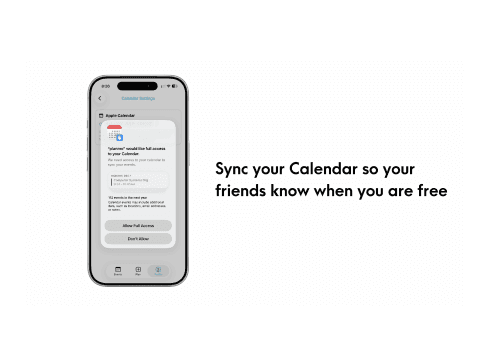
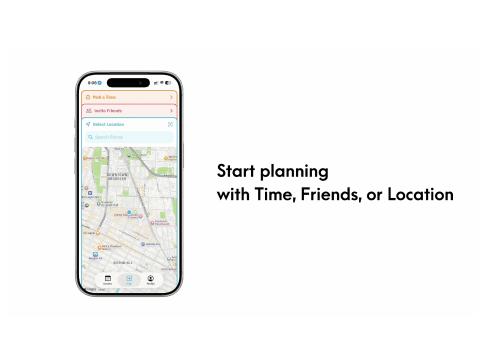
APP for close friend groups who struggle to turn “we should hang out” into real plans, Planmo is a lightweight social planning app that helps friends quickly coordinate time together. Unlike calendars, polls, or party platforms, Planmo feels casual, private, and built for real-life friends.
35%
Improved onboarding process
25%
Increase in user retention
84%
Increase in time spent on website
Research Process
Customer Segments
Our initial customer segment is small friend groups (4–10 people) in urban areas such as New York, Boston, LA, SF, and Chicago. These groups are socially active, highly mobile, and frequently frustrated by the friction of planning hangouts. They rely on group chats to coordinate but lack a tool designed for intimate, informal planning rather than large events. This segment offers high usage frequency and strong word-of-mouth potential, making it ideal for initial adoption and refinement.
Problem–Solution Fit
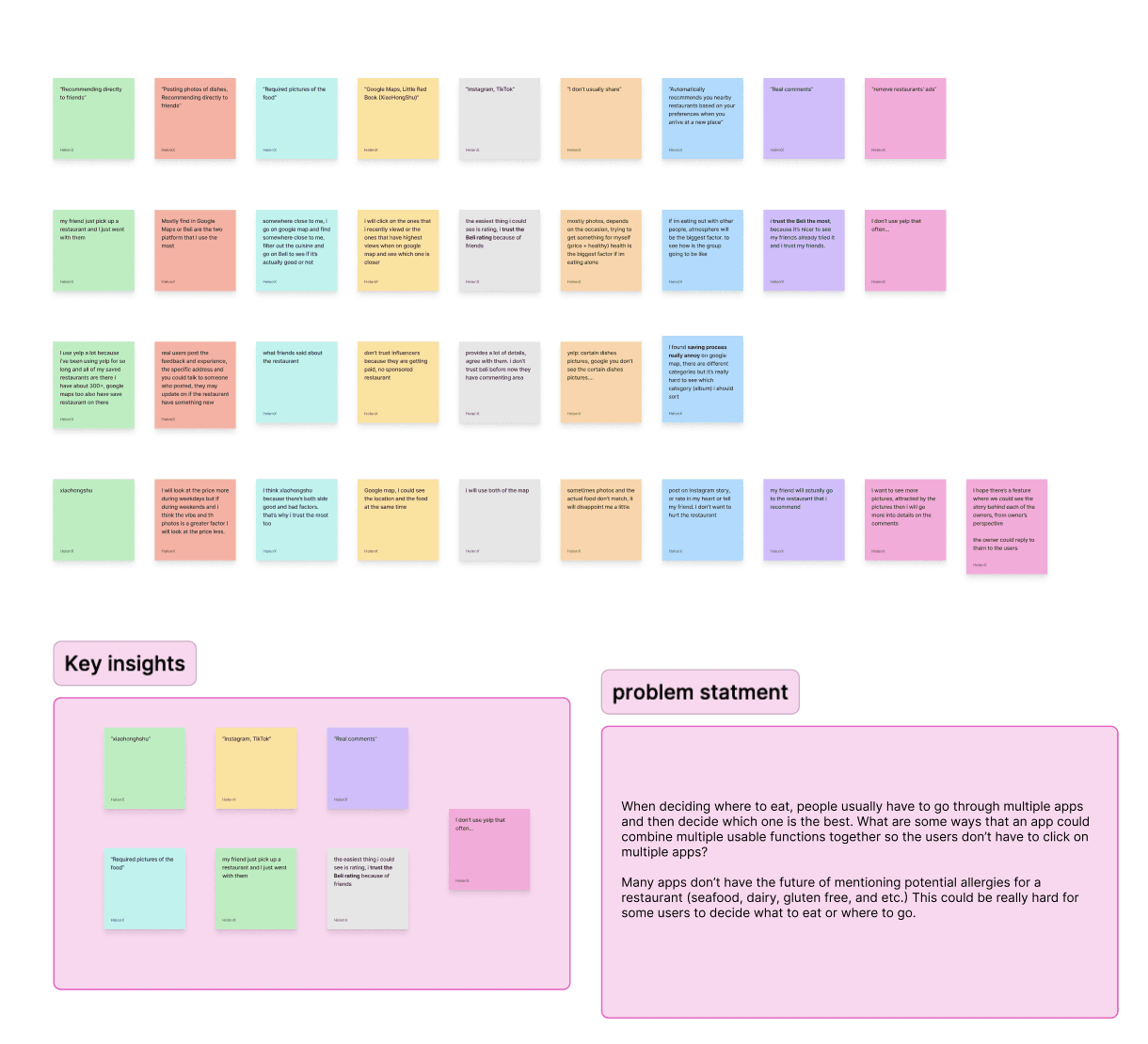
Through user interviews with individuals currently using tools like HowBout, Partiful, Google Calendar, Luma, and when2meet, we confirmed several consistent insights:
Existing planning tools feel too formal or too heavy
Users associate Google Calendar and when2meet with work or academics, not close friend hangouts.Formal event apps (Partiful, Luma) aren’t built for intimate groups
They prioritize events with strangers, RSVPs, and design elements that don’t map to casual hangouts.Users deeply value privacy
Most do not want to share their full calendar or detailed availability with friends.Group chats are the default, but broken
Plans get lost, messages flood, decisions stall, and “group chat fatigue” kills momentum.Everyone agrees making plans should feel simple
But the cognitive overhead of remembering schedules, polling friends, proposing ideas makes it hard.
Ideation & Exploration
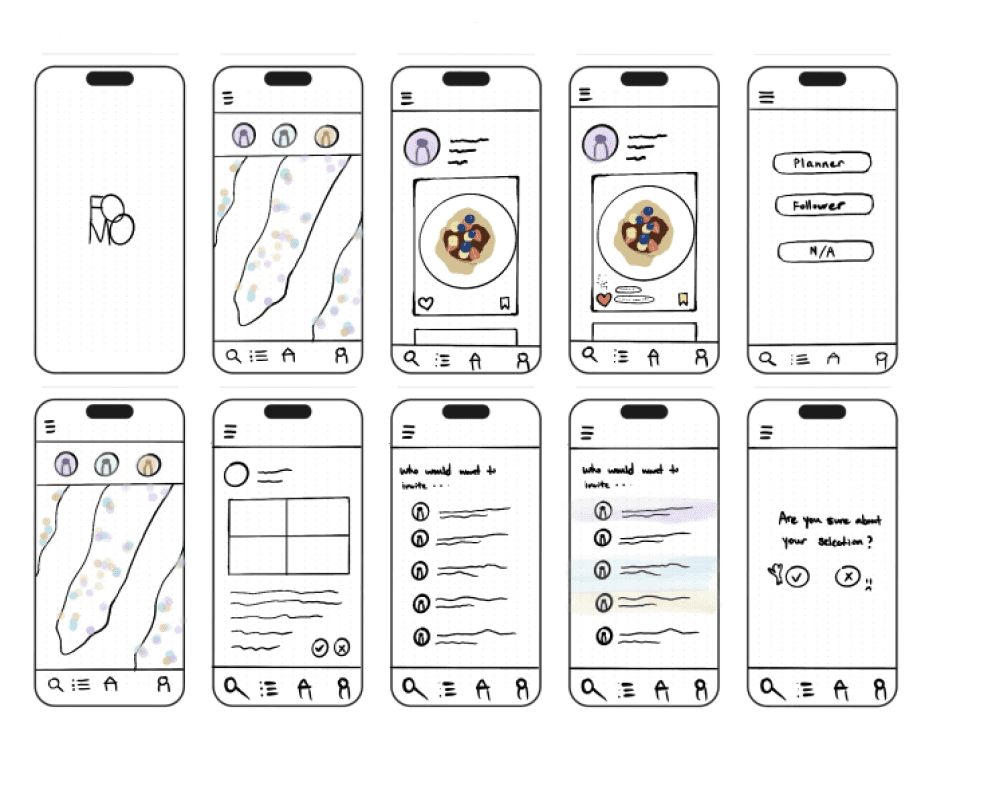
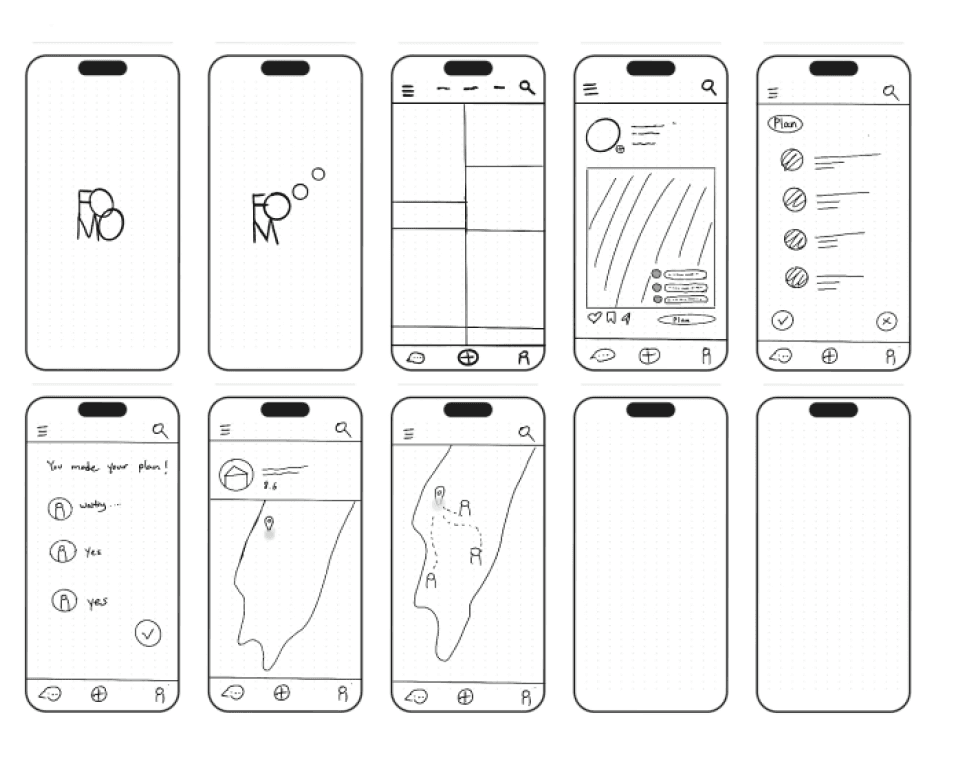
We explored multiple directions—starting plans with people, time, or activities—and sketched early flows for onboarding, availability syncing, and collaborative decision-making. After testing these concepts, we chose a time-first, group-availability approach because it solved the biggest user pain point: finding when everyone is free, while still supporting lightweight collaboration.
Design Process
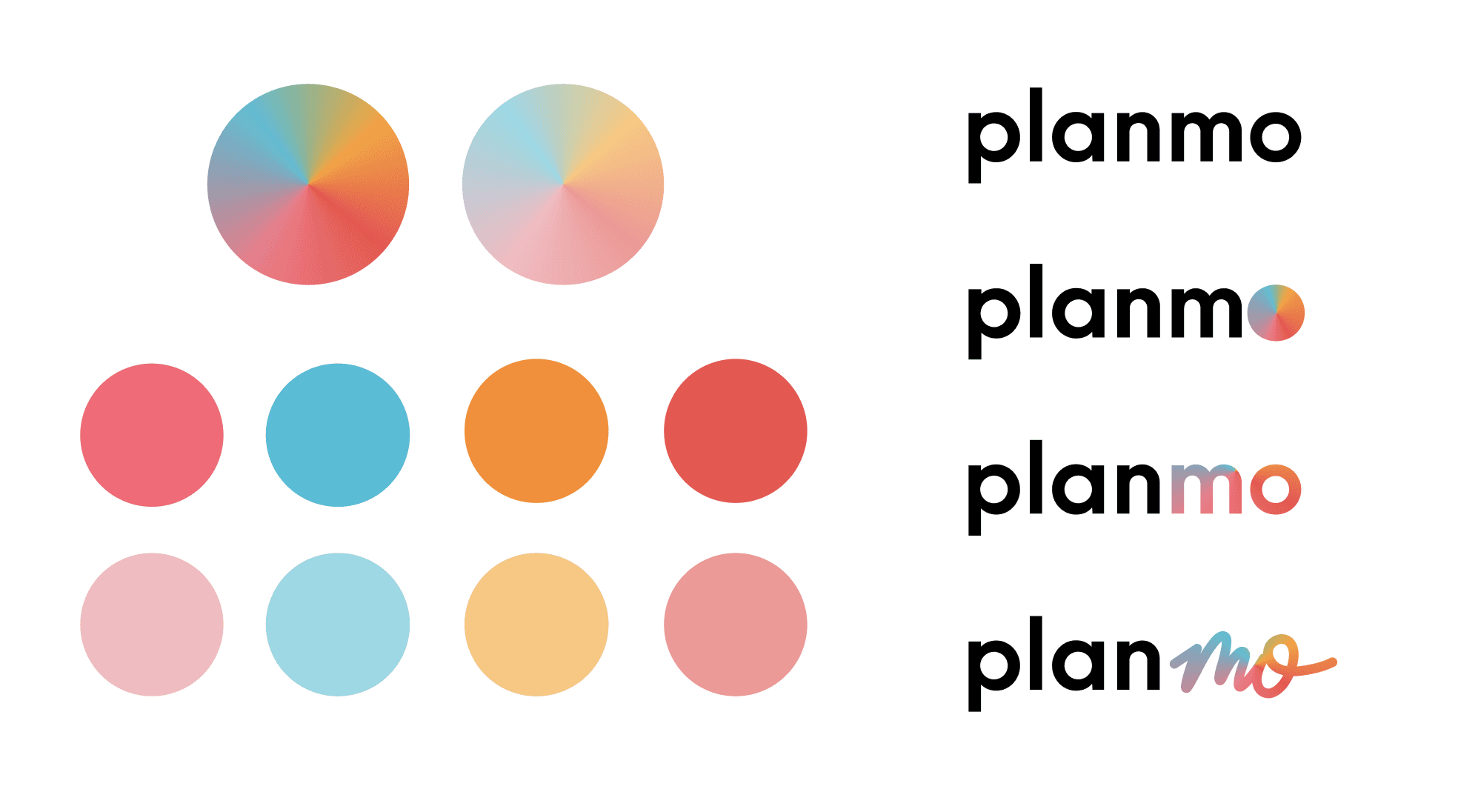
In the design process, we moved from low- to high-fidelity wireframes, refining our information architecture, user flows, and overall system structure. As the product evolved, we explored visual design options—testing UI layouts, typography, color palettes, and branding directions that felt friendly and lightweight. Alongside visual decisions, we shaped the content design: crafting microcopy, refining prompts, and defining a voice and tone that felt conversational, effortless, and supportive throughout the planning experience.
In the design process, we moved from low- to high-fidelity wireframes, refining our information architecture, user flows, and overall system structure. As the product evolved, we explored visual design options—testing UI layouts, typography, color palettes, and branding directions that felt friendly and lightweight. Alongside visual decisions, we shaped the content design: crafting microcopy, refining prompts, and defining a voice and tone that felt conversational, effortless, and supportive throughout the planning experience.
User Test/Feedback
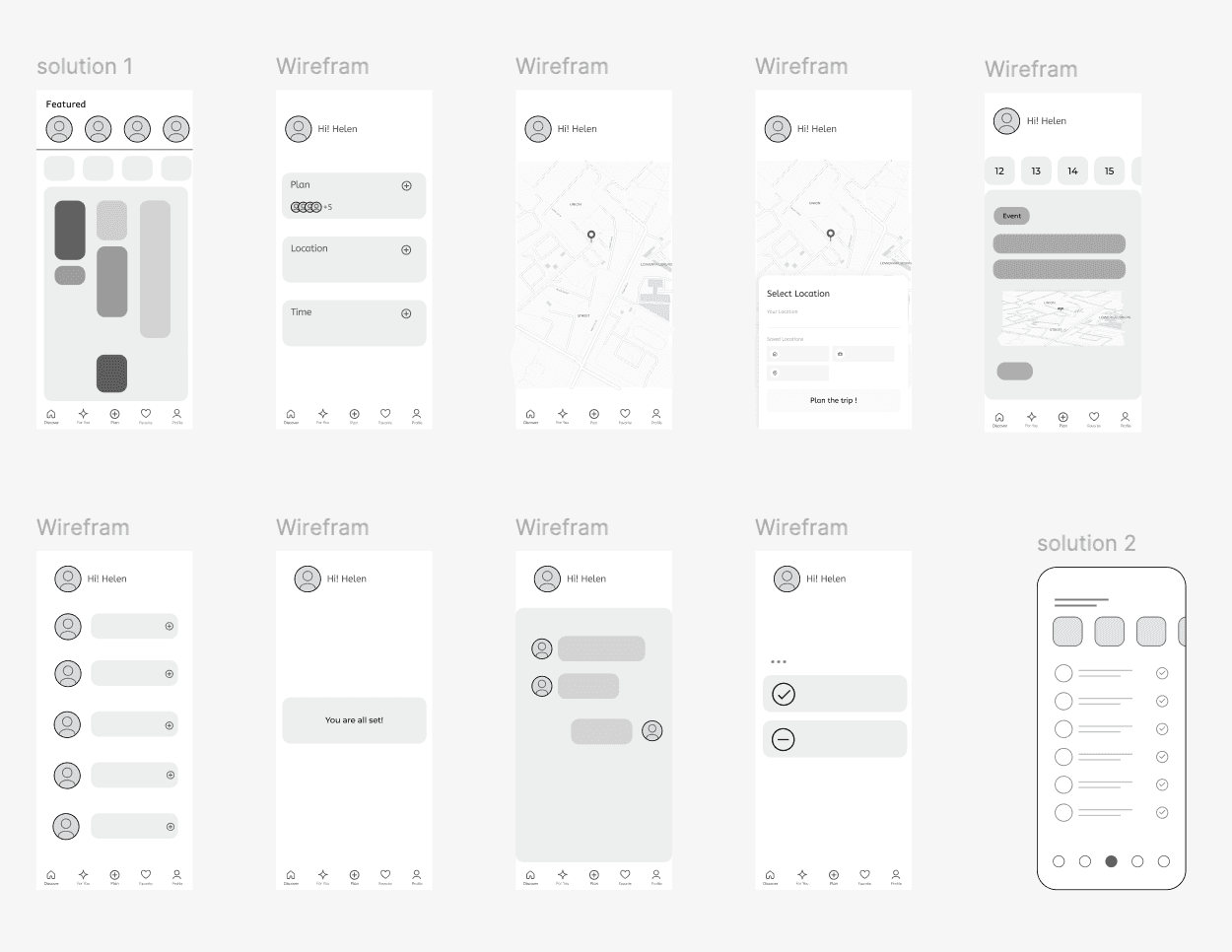
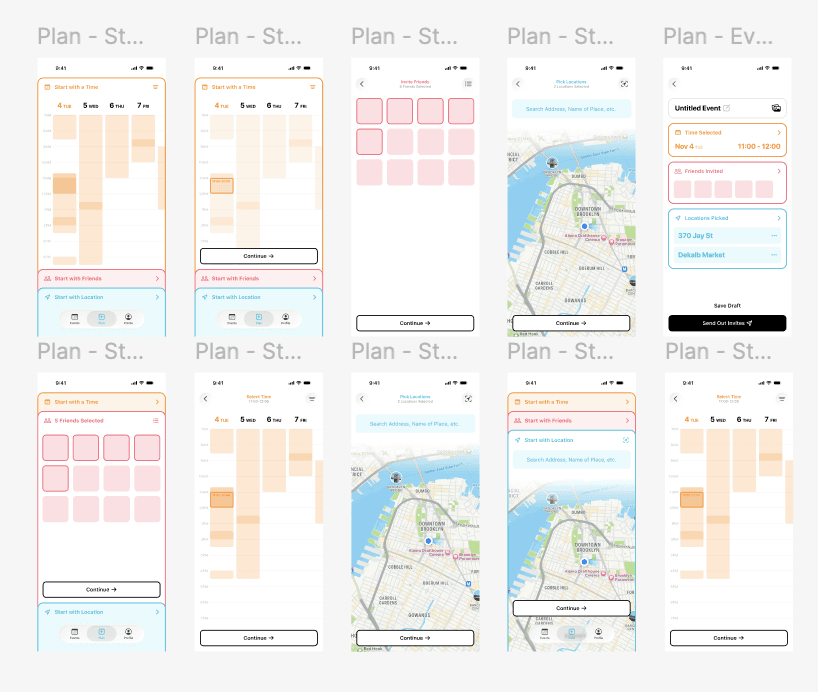
Through testing and validation, we gathered usability insights that highlighted what felt intuitive and what created friction. Users responded well to the simplified availability view, but struggled with certain steps that felt too heavy or unclear, prompting refinements to the flow. Based on peer and instructor feedback, we iterated on navigation clarity, reduced unnecessary steps, and improved microcopy to better guide users. These rounds of feedback directly shaped a smoother, more streamlined planning experience.